AI negotiation for tail spend means a buyer agent, not a person, pushes back on supplier quotes for small purchases. It works in rounds, counters on price, payment terms and lead time, and stops at limits your organisation sets in advance. The result is a recommendation that still goes through your own approval chain. It brings negotiation to purchases that were always bought at the first price offered.
Why were small purchases never negotiated?
Not because nobody could. Because the arithmetic never worked.
A good buyer negotiating a large contract can spend days on it and the effort pays for itself many times over. The same buyer spending even an hour negotiating a one-off order for spare parts, a specialist service or a batch of equipment is a poor use of their time. Across hundreds of small orders, there is simply not enough buyer time to go round.
So most organisations make a sensible choice: they accept the first reasonable quote, or collect a few quotes and pick the cheapest, and move on. The cost of that choice is invisible because it never appears in a report. Nobody sees the better price that was never asked for.
That is the gap AI negotiation fills. The question was never whether small purchases could be negotiated. It was whether anyone could afford to do it.
How does an AI buyer agent negotiate?
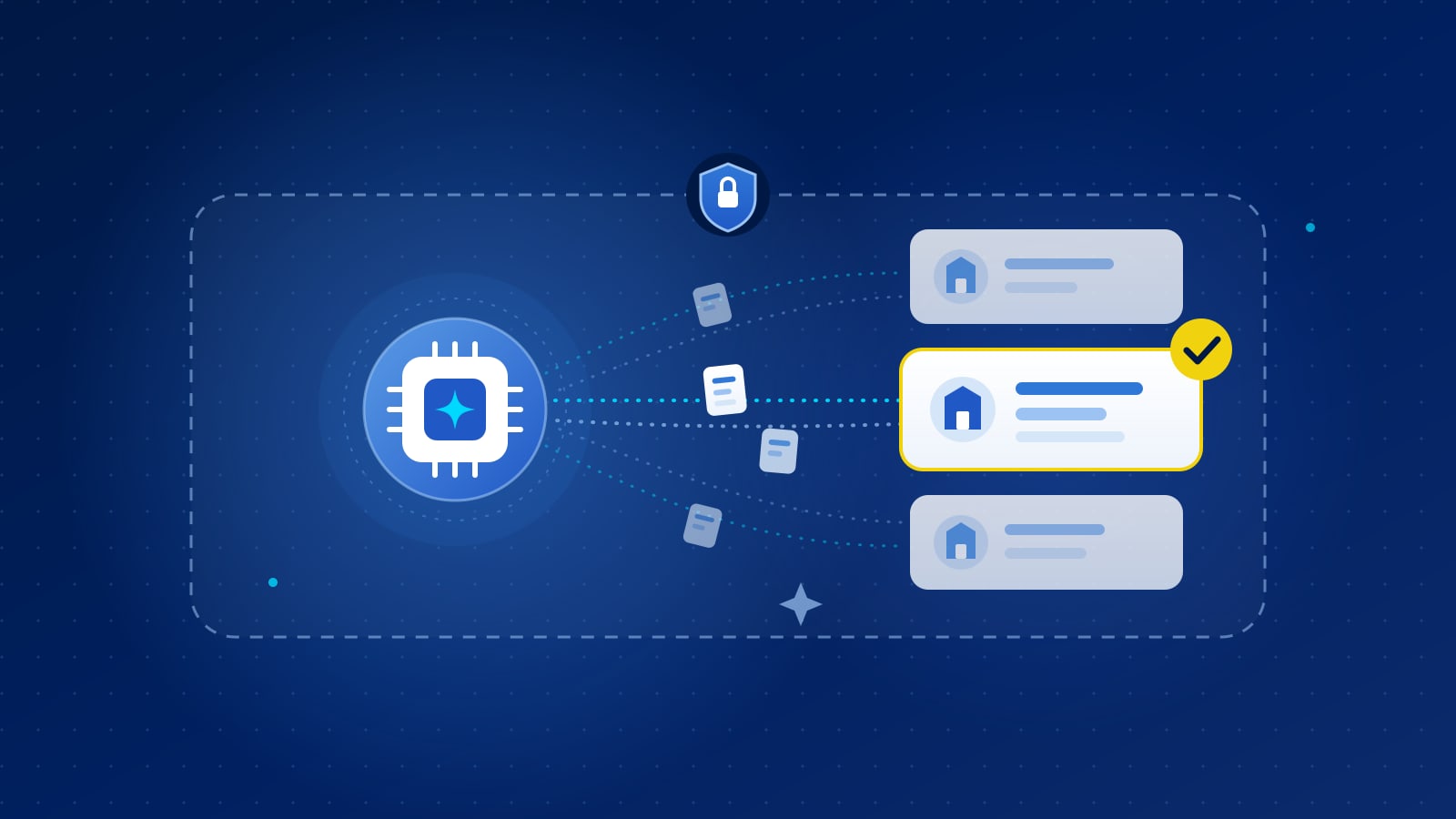
An AI buyer agent is software that holds a mandate for one purchase and acts on it. It knows what is being bought, which suppliers have quoted, what a good outcome looks like and where it must stop. It then negotiates the way a disciplined buyer would, but on every order rather than only the large ones.
A typical negotiation runs like this:
- Opening quotes. Suppliers respond to the request for quote. The agent checks that each quote answers the same specification, so it compares like with like.
- Counter offers. The agent goes back to the most competitive suppliers with a counter on price, and often on payment terms or delivery date as well.
- Revised offers. Suppliers respond. The agent weighs the new offers against each other and against the limits it has been given.
- Best and final. A closing round asks for final offers. The agent scores them and recommends a winner, with the reasoning attached.
Every exchange is logged. The person who approves the purchase sees what was offered, what was countered and what changed, rather than a single number with no history behind it.
For a closer look at software negotiating with supplier-side software, see our explainer on Agent-to-Agent negotiation.
What can the agent negotiate, apart from price?
Price is the obvious lever, but on small purchases it is often not the only one that matters.
- Payment terms. Longer terms can be worth as much to finance as a lower price.
- Lead time. For an urgent part, a faster delivery date may matter more than a discount.
- Delivery and inclusions. Whether delivery, installation or packaging is included in the quoted price.
- Validity. How long the offer stands, so the approval chain has time to work.
A good agent is told which of these matter for each kind of purchase. An urgent maintenance part and a planned office equipment order should not be negotiated the same way.
Who sets the limits?
You do. This is the part that makes AI negotiation safe to use on real spend.
Before the agent negotiates anything, the client defines the boundaries it works inside. In practice that usually means:
- A walk-away point. The price or terms beyond which the agent stops and does not accept.
- Which levers it may use. For example, it may trade a later delivery date for price on some categories and never on others.
- Which suppliers it may negotiate with. Only suppliers that have passed your vendor checks, such as a valid trade licence and tax registration.
- What it may not do. It recommends; it does not commit your organisation.
The last point matters most. The agent negotiates, scores and recommends. The purchase order is issued only after an authorised approver in your own approval chain signs it off. Nothing about AI negotiation changes who holds authority to spend.
Does it change the relationship with suppliers?
Less than people expect. Suppliers on small orders are used to being asked for a better price; what is new is that they are asked consistently. Negotiation in clear, structured rounds is often easier for a supplier than an unpredictable email thread, because they know what is being asked and when a decision will be made.
Where you have strategic suppliers or framework agreements, keep them out of scope. AI negotiation earns its keep on the long tail of one-off buys, not on relationships your category managers already run.
How METIS does it
In METIS, CollectiveSpend's AI-native tail spend platform, a requester describes the need in plain English by chat, voice, email or a document. AI agents find suppliers, issue the RFQ, score bids on price, delivery, terms and supplier risk, and negotiate Agent-to-Agent inside limits the client sets. The result goes through the client's own approval chain and the purchase order is issued with an audit trail.
You can see the full flow on how it works, and how negotiation fits into a wider tail spend management approach.
Where should you start?
- Pick the categories. Start with one-off purchases where you currently accept the first quote or a small handful of quotes.
- Write the limits down. Walk-away points, allowed levers and approval rules, per kind of purchase, agreed with finance.
- Keep strategic suppliers out. Leave contracted and framework spend with your category managers.
- Read the logs. Review the first negotiations closely, so your approvers trust what they are signing.
- Measure against what you did before. Compare negotiated outcomes with the first quotes you would otherwise have accepted.
AI negotiation does not replace your buyers. It gives the small purchases they never had time for the same discipline as the large ones.