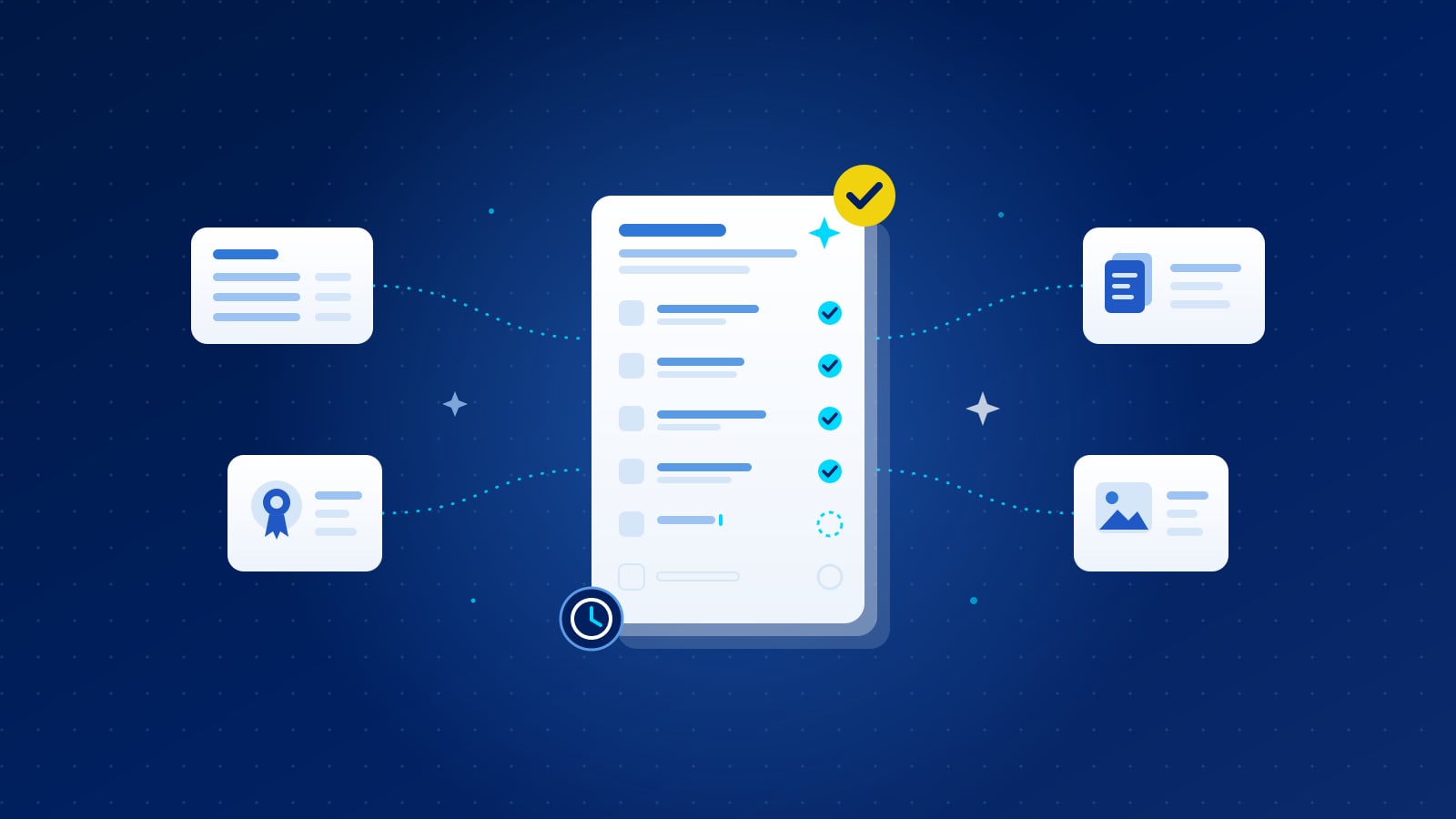
METIS Respond is now live for suppliers registered on METIS. When a buyer invites a supplier to an RFQ, METIS Respond reads the request, matches every line to the supplier's catalogue and price history, drafts answers to the buyer's questions and writes the cover letter. The supplier's sales team checks the draft and submits it. A response that used to take days of gathering details and prices now takes minutes.
Why does answering an RFQ take suppliers so long?
Because most of the work is manual, not judgement. Before anyone decides what to offer and at what price, someone has to read the RFQ and every attachment, look up prices and past quotes, write an answer to each of the buyer's questions and type it all into the buyer's portal.
For a large tender that effort is worth it. For the small, frequent requests that make up most of a buyer's tail spend, it often is not. A request for office chairs, cleaning services or a box of spare parts carries much the same paperwork as a big contract, so suppliers reply late, reply with half the information, or decline. The buyer then compares fewer quotes than they wanted, each in a different shape.
That is the part METIS Respond takes over. The supplier still decides what to quote. METIS does the reading, the looking up and the retyping.
What does METIS Respond do?
It drafts the whole response as soon as the RFQ arrives, from what the supplier has already taught it. In order:
- It learns the business once. The supplier drops in price lists, past proposals, certificates, brochures, datasheets and terms, as PDF, Word, Excel, images or scans. METIS reads each file and shows what it learned before anything is saved, so nothing goes into the supplier's knowledge unchecked.
- It drafts every invitation in the background. When a buyer on METIS sends an RFQ, the draft is waiting by the time someone in sales opens it.
- It prices every line. Each line the buyer asks for is matched to an item in the supplier's catalogue, priced from the catalogue and the price history, with a confidence level next to it. Anything worth checking gets a note that only the supplier can see.
- It answers the buyer's questions. Each answer is drafted from the supplier's own documents, again with a confidence level. Sales approves the confident ones in one click and fills in only what METIS asks for.
- It says when not to bid. Every RFQ gets a fit score with the reasons behind it. If the buyer only accepts brands the supplier does not sell, or asks for a warranty the supplier cannot give, METIS says so before anyone spends time on the draft. The supplier can decline with a message or respond anyway.
- It refuses to send a proposal with gaps. Unmet mandatory requirements and missing prices block submission until they are fixed. The draft can be refined in plain language, from a more formal cover letter to what was quoted to this buyer last time, and every change can be undone.
- It gets quicker with use. The proposal goes out as PDF, Word and a price schedule. New prices and approved answers are kept, so the next RFQ needs less checking.
After submission, the supplier's negotiation limits are pre-filled from the proposal, ready for agent-to-agent negotiation on METIS. Nothing is sent until the supplier reviews and saves them.
Each step, with screens from a demo environment, is on the METIS Respond page.
Who stays in control of the proposal?
The supplier's sales team, at every step. METIS drafts and people decide.
- Only answers that someone has approved or edited go into the proposal.
- Nothing is sent to the buyer until someone on the supplier's team submits it.
- Notes and warnings on the draft are for the supplier only, never the buyer.
- Negotiation limits are suggested, not applied, until the supplier saves them.
We built it this way on purpose. A proposal is a commercial commitment, and the people who will deliver it should be the ones who send it. What changes is where their time goes: on checking the few lines and answers METIS flags, rather than on assembling the whole thing from scratch.
What does it change for buyers?
For buyers on METIS, the difference shows up in the quotes that come back. Suppliers can reply sooner, because the slow part of the work is done before they open the request. Proposals arrive fuller, because a missing price or an unmet mandatory requirement stops the supplier at their end instead of surfacing at evaluation. And a small RFQ is no longer too much effort to answer, which matters most in tail spend, where the value of each request is low and the number of requests is high.
It also helps with something buyers already struggle with: quotes that arrive in different formats with different gaps. When suppliers answer the same questions in the same structure, comparing supplier quotes fairly gets much easier.
On METIS, the buyer side already runs on AI agents: the need described in plain English, suppliers found and scored, the RFQ written and bids negotiated agent to agent inside limits the buyer sets. METIS Respond puts the same kind of help on the supplier's side of that conversation. Most procurement software, AI included, has been built for the buyer. We think the supplier should have it too, because a quicker, more complete response is good for both sides.
Who can use METIS Respond, and how do suppliers start?
METIS Respond is live for every supplier registered on METIS. It works on the RFQ invitations suppliers receive from buyers on METIS, and drafts each one as it arrives.
Registered suppliers start by signing in to METIS and teaching it their business. Price lists, past proposals and certificates are the quickest wins, because they drive line pricing and the questions buyers ask most often. The more METIS knows, the less there is to check on each RFQ.
Suppliers who sell to organisations that buy through METIS, but are not registered yet, can get in touch through the METIS Respond page.