
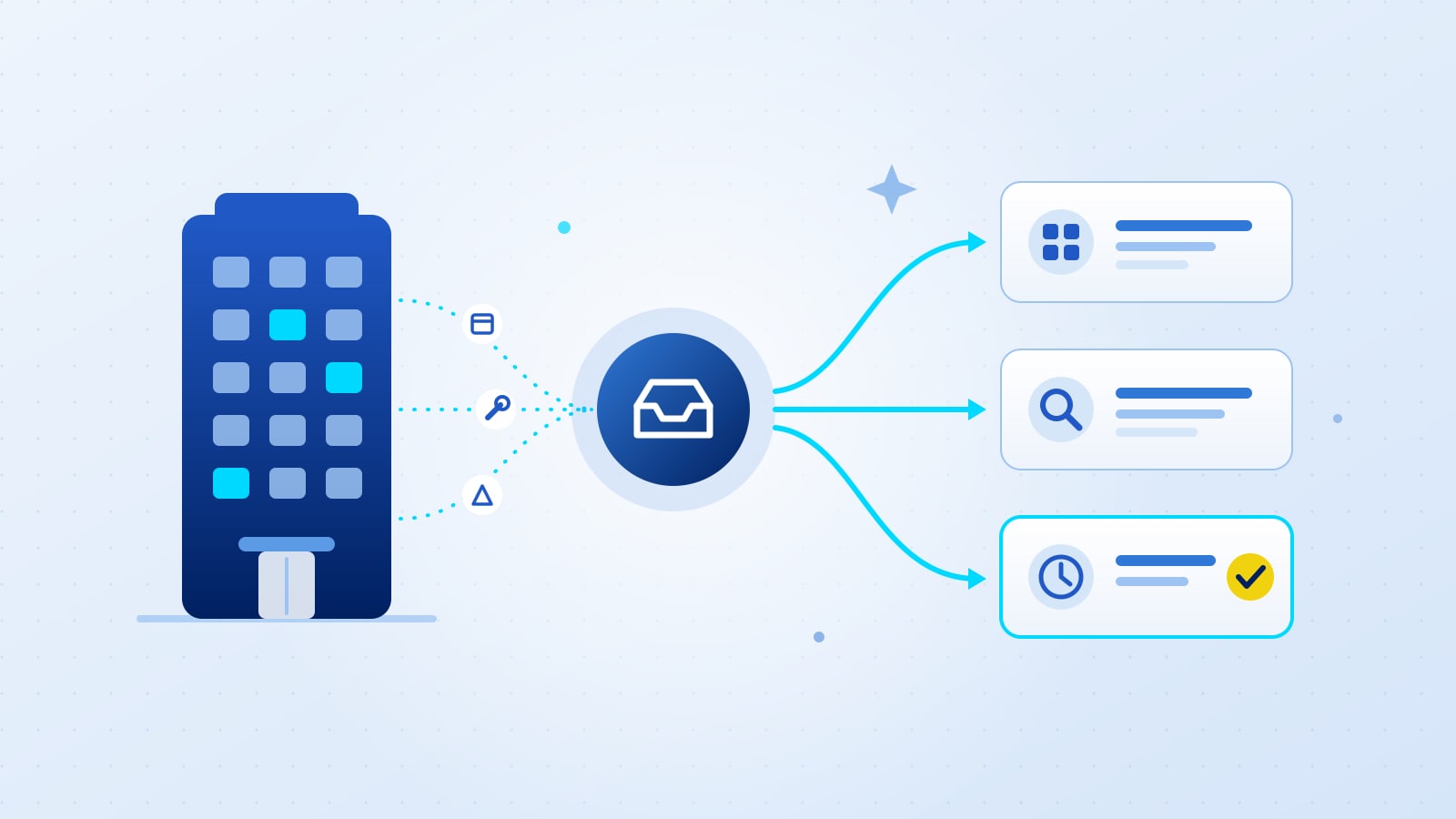
Hospitality tail spend is the long list of small, irregular purchases a hotel makes outside its main contracts: operating supplies, repair parts, event materials and the urgent buys that keep a room or a kitchen running. Each one is small, but together they touch almost every department. The fix is not more paperwork. It is giving each kind of purchase a clear route, so speed and control stop pulling against each other.
Where does tail spend hide in a hotel?
A hotel buys from more places than most businesses its size, because it runs several operations under one roof. The big categories, such as food and beverage, linen and energy, usually sit under contracts. The tail sits around them.
- Operating supplies. Guest amenities that fall outside the main range, cleaning equipment, small kitchen tools, uniforms for a new role, signage holders, spare trolleys.
- Maintenance and repair parts. A pump seal, a door closer, a lamp driver, a part for an older laundry machine, a replacement panel for a lift car.
- Event materials. Staging pieces, décor, printed items, rented equipment and consumables bought for one wedding, conference or launch and never again.
- Urgent buys. Anything a guest is waiting for, or anything that stops a room, a restaurant or a function space from being sold.
None of these is large enough to earn a category manager's time. Most of them are bought by people whose real job is engineering, housekeeping, food and beverage or events, not procurement.
Why does hospitality tail spend grow so easily?
Because hotels are built around service, and service does not wait.
When a chiller fails before a banquet, the chief engineer buys the part from whoever can deliver today. When an events team needs a backdrop by Thursday, they call the supplier they used last time. Each decision is reasonable on the day. Over a year it produces a long list of suppliers, prices nobody has compared and invoices that are hard to categorise.
A few patterns make it worse in hospitality:
- Many requesters, few buyers. Department heads, duty managers and engineers all raise requests, often at hours when procurement is not working.
- Seasonality and events. Demand arrives in peaks, and the purchases that come with them are one-offs by nature.
- Older equipment. Spare parts for a machine that is no longer sold are rarely on any catalogue, and finding them takes time.
- Property by property buying. In a group, each property often finds its own suppliers for the same small items, so the group never sees the combined demand.
How should a hotel route each kind of purchase?
The aim is to match each purchase to the lightest route that still protects price and control. The same logic as any tail spend management programme applies, with routes shaped around how a hotel actually works.
Recurring supplies go to a catalogue. If housekeeping orders the same cleaning items every month, agree the price once and let them order in a few clicks. This removes most of the repeat requests from the queue and gives the group one price across properties.
One-off needs go to a quick, competed sourcing process. An event backdrop, a specialist repair or an unusual piece of equipment should still be quoted by more than one supplier. The trick is to make that fast enough that nobody is tempted to skip it. Our guide on how to compare supplier quotes fairly covers what to weigh beyond price.
Urgent buys go to a short list of vetted suppliers. Agree in advance who can deliver critical parts and supplies quickly, at what terms, and up to what value. Then an urgent buy is a fast decision inside known limits, not a scramble. Spot-buy rules belong here, and our article on spot buys explains how to stop them leaking.
Exceptions go to a buying desk. Some requests fit no route: the part nobody can identify, the supplier nobody has used before. A small team of experienced buyers, in house or managed, gives those requests a home instead of leaving them with whoever shouts loudest.
What controls matter without slowing service?
Hotel teams accept controls when the controls are quick. Long approval chains for small amounts do not protect much; they mainly teach people to buy around the process.
Controls that work in a hotel setting:
- Value limits by role and route. A duty engineer can approve an urgent part up to an agreed limit; above it, the purchase goes to the next approver.
- One intake point. Every request, whatever the department, starts in the same place, so nothing arrives as a surprise invoice.
- Vendor checks before the first order. A supplier's trade licence, tax registration and bank details are checked once, before money moves, not after.
- An audit trail by default. Who asked, who quoted, who approved and what was paid should be recorded automatically, not reconstructed at month end.
- Group visibility. Spend from every property in one view, so the group can see where the same item is bought from many suppliers at different prices.
How do you measure progress?
Keep the measures few and visible to the people doing the buying.
- Cycle time from request to purchase order, split by route. This is the number engineers and events teams feel.
- Share of spend on a defined route, whether catalogue, sourcing, urgent list or buying desk, rather than bought directly.
- Supplier count for small purchases across the group, and how it moves over time.
- Price comparisons for repeat items across properties.
Where does technology help?
Most of the effort in hotel tail spend is not the buying decision. It is finding suppliers, getting quotes, chasing replies and keeping records. That is the work software should take off people's hands.
METIS, our AI-native tail spend platform, was built for this kind of purchase. A requester describes the need in plain English, by chat, voice, email or a document. AI agents find suppliers, issue the RFQ, score bids on price, delivery, terms and supplier risk, and negotiate inside limits the hotel sets. The result goes through the hotel's own approval chain and the purchase order is issued with an audit trail. Recurring items sit in a catalogue, one-off needs go to the sourcing agents, and exceptions go to a Buying Desk, all on one platform. You can see the steps on how it works.
Next steps for a hotel or hotel group
- Pull a year of small purchases from purchase orders, invoices, cards and petty cash, for one property first if a group is too much to start with.
- Sort them into the routes above: recurring, one-off, urgent and exception.
- Agree the urgent supplier list with engineering and events, with limits they can live with.
- Move recurring items into a catalogue and give housekeeping and food and beverage a simple way to order.
- Set one intake point and measure cycle time from the first week.
Start with the purchases that cause the most noise. In most hotels that means engineering parts and event materials, because they are urgent, irregular and visible to guests.