
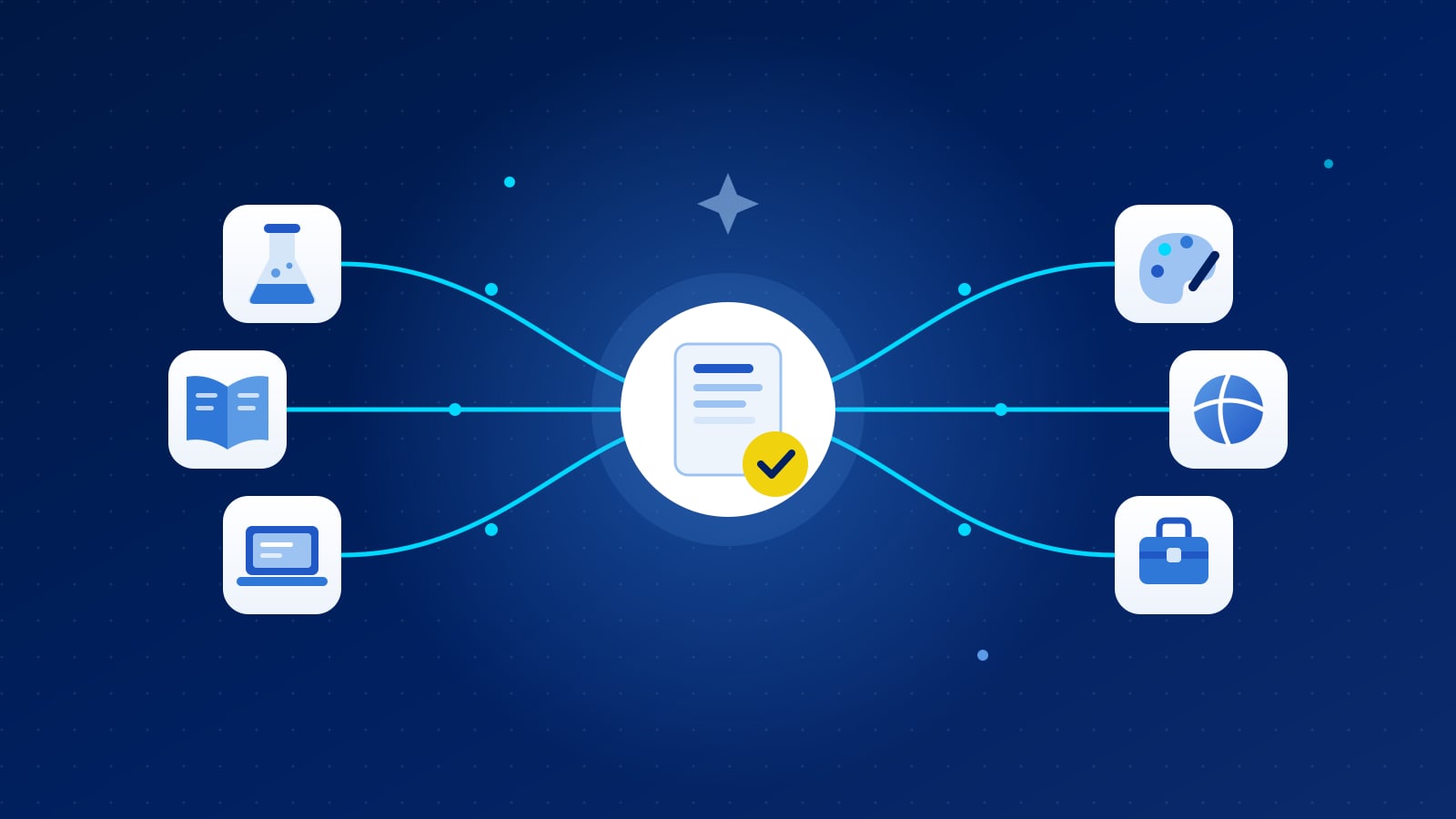
In education procurement, tail spend is the long list of small purchases that departments, faculties and schools make for themselves: lab consumables, books, teaching materials, event support, small equipment and one-off services. It grows because buying is spread across many budget holders, demand arrives in term-time peaks and the supplier list is long. Control comes from giving every department one easy route to buy, not from more paperwork.
Why does tail spend grow so fast in education?
Universities and schools are built for teaching and research, and their buying reflects that. Three features make the tail larger than in most organisations of a similar size.
- Departments buy independently. A chemistry lab, a sports department, a library and an arts faculty each have their own budget and their own idea of what good looks like. Each one finds its own suppliers, often the ones a colleague used before.
- Demand comes in waves. The start of each term, exam periods, open days and the end of the financial year all bring a rush of requests at once. When everything is urgent, the quickest route wins, and the quickest route is often a card or a single quote.
- The suppliers are small and many. Specialist equipment makers, local caterers, printers, coach operators, instrument repairers and booksellers each receive a few orders a year. None is large enough to manage as a strategic relationship.
The result is familiar to anyone in a finance office: a long supplier list, a high volume of low-value invoices and very little view of what was bought or at what price.
What does tail spend look like in a university or school?
The categories vary by institution, but most education tails include:
- laboratory consumables, glassware and small instruments
- books, journals and teaching resources outside the main library contracts
- classroom supplies, art materials and sports equipment
- IT accessories, peripherals and one-off software licences
- printing, signage and materials for open days and events
- catering, transport and venue hire for trips and conferences
- small maintenance jobs, repairs and specialist services
Research adds its own layer. A research group may need a part or a reagent that nobody has bought before, from a supplier abroad, by a deadline set by a grant or an experiment. These are classic one-off purchases: too specific for a catalogue, too small for a full tender.
Why do the usual controls not work here?
Most institutions respond to a growing tail with tighter rules: more approval steps, a longer list of required quotes, a central team that signs off everything. In education this tends to backfire.
- Academics and teachers are not buyers. A requisition form that needs a commodity code and a supplier number will be avoided by people whose job is teaching or research.
- Peaks overwhelm central teams. A procurement office sized for normal weeks cannot process the start-of-term rush quickly, so departments work around it.
- Split orders follow strict thresholds. If one level of approval is painful, orders appear just below it.
The lesson is the same as in any sector with a large tail: if the official route is slower than the workaround, people use the workaround. If you have not yet set where the tail starts, read how to set a tail spend threshold.
How should education procurement handle term-time peaks?
Plan for the peaks rather than reacting to them.
- Look at last year's pattern. Pull purchase orders, invoices and card statements and see when requests cluster and in which categories. The peaks are usually predictable.
- Put recurring items in a catalogue before the rush. Classroom supplies, lab basics and IT accessories bought every term should be one click away, at agreed prices, before the term starts.
- Give one-off requests a fast lane. Anything not in the catalogue should go to a process that collects quotes and returns a recommendation quickly, so the person who asked is not left waiting.
- Keep the approval chain light but real. Department heads approve within their budget, with the quotes in front of them. Larger orders go up the chain as normal.
How do you consolidate a long list of small suppliers?
Not every small supplier should go. Some are local specialists that nobody else can replace. The aim is to make a new supplier a decision rather than a habit.
- Group spend by category, not by department. Three faculties buying the same items from three suppliers is an easy win once someone sees it.
- Agree a short list per category and steer departments towards it through the catalogue and the quote process.
- Check suppliers once, centrally. A supplier's trade licence, tax registration and bank details should be verified before the first order, not by each department in turn.
- Keep an exception route for genuinely new needs, such as a research part or a specialist service, so people do not invent their own.
The method in detail is in how to consolidate tail spend suppliers.
What should a university or school measure?
A small set of measures, taken before any change, tells you whether it is working:
- the share of small purchases going through a defined route
- time from request to purchase order, especially during peaks
- the number of active suppliers in the tail and new suppliers added each month
- prices paid for common items across departments
- how often orders appear just below an approval threshold
Where does METIS fit?
METIS gives every department the same front door. A teacher or researcher describes the need in plain English, by chat, voice, email or a document. Recurring items come from a catalogue. For one-off needs, AI agents find suppliers, issue the request for quote, score bids on price, delivery, terms and supplier risk, and negotiate within limits the institution sets. A Buying Desk handles the exceptions. The result goes through the institution's own approval chain and the purchase order is issued with an audit trail. Request to approved purchase order takes around 48 hours instead of two to three weeks. See how it works.
Practical next steps
- Map last year's small purchases by department, category and month to find the peaks.
- Pick the categories bought by several departments and agree prices before next term.
- Decide the value up to which the new route applies, and who approves at each level.
- Make the official route faster than a card or a single quote, then measure it.