
MRO tail spend is the long list of small maintenance, repair and operations purchases that keep oil and gas assets running: gaskets, seals, valves, filters, fittings, tools, safety consumables and the odd spare part nobody planned for. Each order is small, but the urgency is real, because a stopped pump or compressor costs far more than the part. The fix is two clear routes: a catalogue for repeat items and fast, competed sourcing for everything else.
What counts as MRO tail spend in oil and gas?
The large spend in oil and gas is planned well: drilling services, major equipment, long term service contracts, turnaround packages. MRO tail spend is what sits around them, bought by maintenance planners, technicians and site storekeepers rather than by category managers.
- Repeat consumables. Gaskets, O-rings, bolts and studs, filters, lubricants, cleaning products, cable ties, tapes, personal protective equipment.
- Common spares. Standard valves, fittings, pressure gauges, bearings, belts, hoses and electrical components used across many assets.
- One-off parts. A seal kit for an older pump model, a replacement part for a piece of equipment from a supplier that no longer trades locally, a fitting in an unusual size.
- Tools and small equipment. Torque wrenches, test instruments, lifting accessories, hand tools for a specific job.
- Urgent breakdown buys. Whatever a crew needs right now to bring an asset back online.
Most of these lines are low value. What makes them hard is the number of them, the number of people raising them and the pressure to get them fast.
Why is spare parts urgency so hard to manage?
Because the cost of waiting is visible and the cost of overpaying is not. When equipment trips on a remote site, the maintenance team will buy from whichever supplier can deliver first, and that is often the right call on the day. Repeated across fields, plants and terminals, it leaves a long supplier list, prices nobody has compared and purchase orders raised after the invoice.
A few patterns make it worse:
- Remote and spread-out sites. Assets are far from the suppliers procurement knows, so site teams build their own lists.
- Duplicate part descriptions. The same gasket appears under several descriptions in different systems, so nobody can see how often it is really bought.
- Stores that cover some items but not others. Critical spares are often stocked and managed well. The rest of the long tail is not, and it is bought ad hoc.
- Round the clock operations. Breakdowns do not wait for office hours, so requests come at night and at weekends.
- Paperwork on every part. Material certificates, inspection records and traceability matter for many items, and chasing them on a rushed buy is easy to forget.
How should you route MRO tail spend?
Treat MRO tail spend as a routing problem. The principles of any tail spend management programme apply, shaped around how maintenance teams actually work.
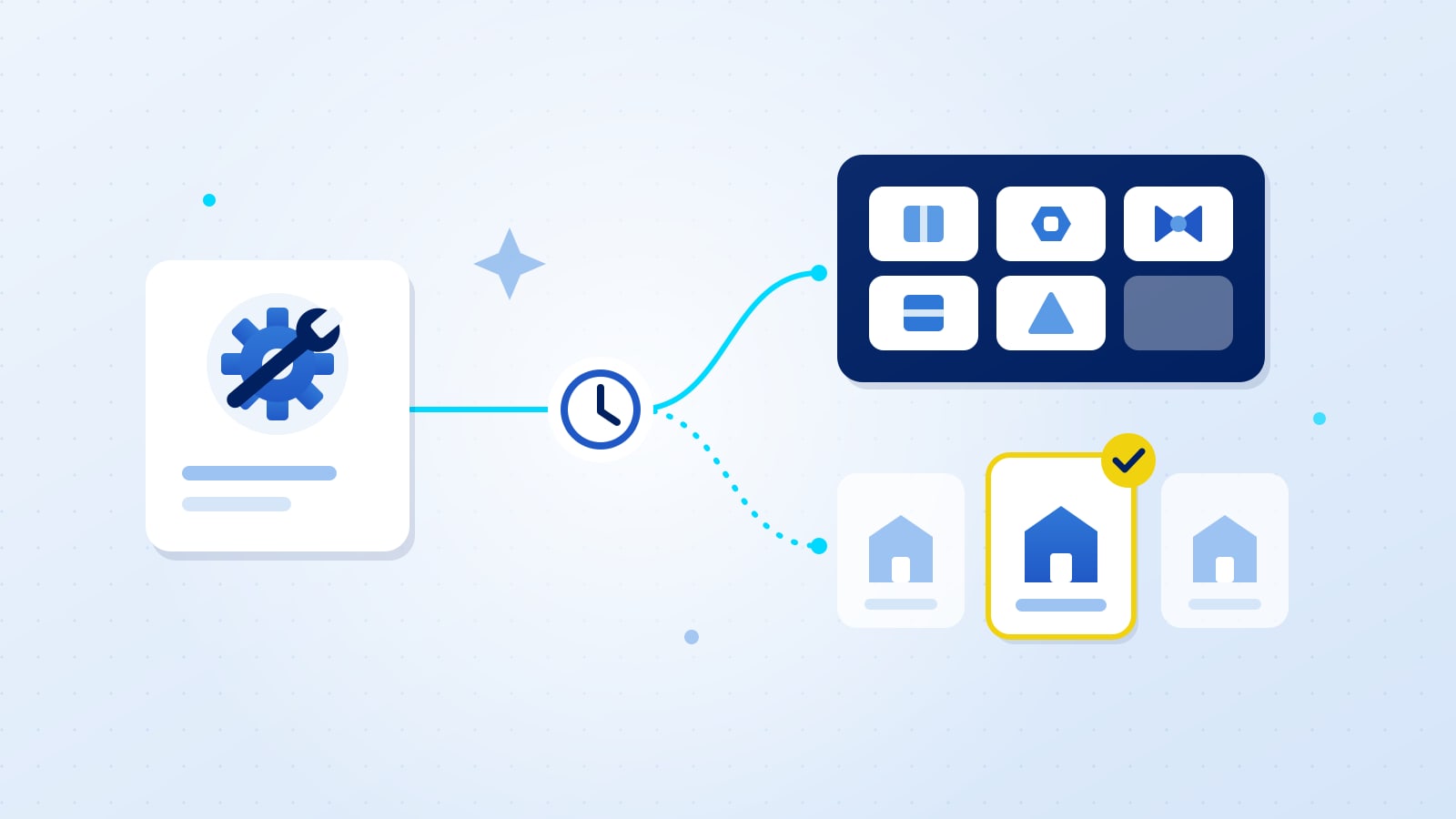
Repeat items go to a catalogue. Consumables and common spares are predictable, even when the exact day of need is not. Agree specifications, prices and delivery terms once, for all sites, and let technicians order in a few clicks. Clean, consistent part descriptions are what make this work: one item, one description, one agreed price. If your teams already work in an ERP, a punchout catalogue keeps ordering inside the system they know.
One-off parts go to fast, competed sourcing. A seal kit for an older pump should still be quoted by more than one supplier, with delivery time and the documents you need written into the request from the start. The process has to be quick enough that nobody is tempted to skip it. This is where sourcing agents earn their keep: finding suppliers, issuing the request for quotation and comparing replies is the slow part, and it can be automated.
Urgent breakdown buys go to pre-agreed suppliers. Decide in advance, by region and by category, who can deliver critical items quickly, on what terms and up to what value. A breakdown then becomes a quick decision inside known limits rather than a scramble. Our guide to spot buy procurement covers how to keep urgent buys inside the rules.
Exceptions go to a buying desk. Some requests fit no route: the part with no number, the obsolete item, the supplier nobody has used. A small team of experienced buyers gives those a home instead of leaving them with the technician.
What should a good MRO catalogue include?
A catalogue that technicians ignore is worse than none, because it adds a step without removing one. The ones that get used tend to share a few traits:
- The items people actually buy. Start from a year of purchase history, not from a supplier's product list.
- Clear specifications. Material, size, rating and standard in the description, so the technician knows it is the right part without a phone call.
- Delivery to site. Prices that only apply to collection from a city warehouse do not help a remote facility.
- Documents attached. Where an item needs a certificate or a data sheet, it should come with the order, not after it.
- More than one source for critical lines, so a stock-out does not send the team back to buying on its own.
Which controls work without slowing maintenance down?
Maintenance teams accept controls that are quick and clear. Long approval chains for small amounts mostly teach people to buy around the process.
- Value limits by role and route. A maintenance supervisor approves an urgent part up to an agreed limit; above it, the request goes up a level.
- Asset and cost codes at the point of request. Capture which asset the part is for when the request is raised, so spend can be traced back to equipment.
- Supplier checks before the first order. A trade licence, tax registration and bank details verified once, before money moves.
- One intake point. Every request starts in the same place, whether it ends up in the catalogue, with sourcing agents or at the buying desk.
- An audit trail by default. Who asked, who quoted, who approved and what was paid, recorded without extra effort from the site.
Where does technology help?
Most of the effort in a small MRO purchase is not the decision. It is finding a supplier who has the part, getting quotes, chasing replies and keeping records. That is the work software should take off maintenance teams.
METIS, our AI-native tail spend platform, was built for this kind of buying. A requester describes the need in plain English, by chat, voice, email or a document such as a maintenance work request. AI agents find suppliers, issue the RFQ, score bids on price, delivery, terms and supplier risk, and negotiate inside limits the client sets. The result goes through the client's own approval chain and the purchase order is issued with an audit trail. Recurring items sit in a catalogue, one-off needs go to the sourcing agents and exceptions go to a Buying Desk, all on one platform. You can see the steps on how it works.
Next steps for an MRO buyer
- Pull a year of small MRO purchases from purchase orders, invoices, cards and petty cash, starting with one site if the whole portfolio is too much.
- Clean the descriptions for the most frequent items so repeat buys become visible.
- Sort lines into routes: catalogue, competed sourcing, urgent pre-agreed suppliers and exceptions.
- Agree urgent supplier lists by region with maintenance leads, with limits they can work with.
- Set one intake point and measure the time from request to purchase order from the first week.
Start with the items that stop equipment. They are frequent, irregular and visible to everyone on site, so improving them builds trust in every other route.